> For the complete documentation index, see [llms.txt](https://docs.quizhour.mrb-lab.com/llms.txt). Markdown versions of documentation pages are available by appending `.md` to page URLs; this page is available as [Markdown](https://docs.quizhour.mrb-lab.com/admin/6.-admin-credentials-steup.md).
# 6. Admin Credentials Steup
Admin Username & Password Setup
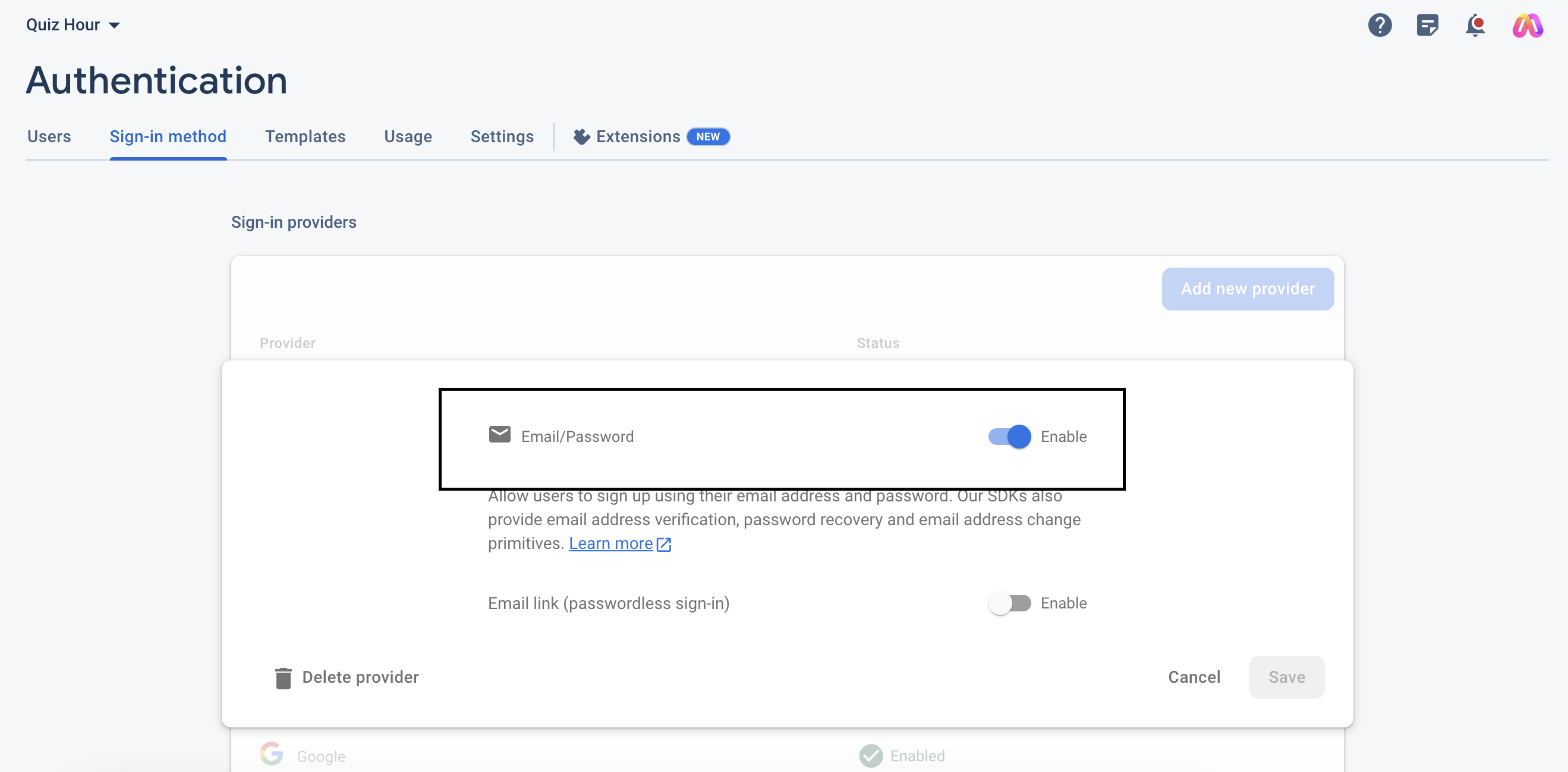
1. From your Firebase Console > Your App, go to the **Build > Authentication > Sign-in method** tab and Enable **Email/Password** and Save it.
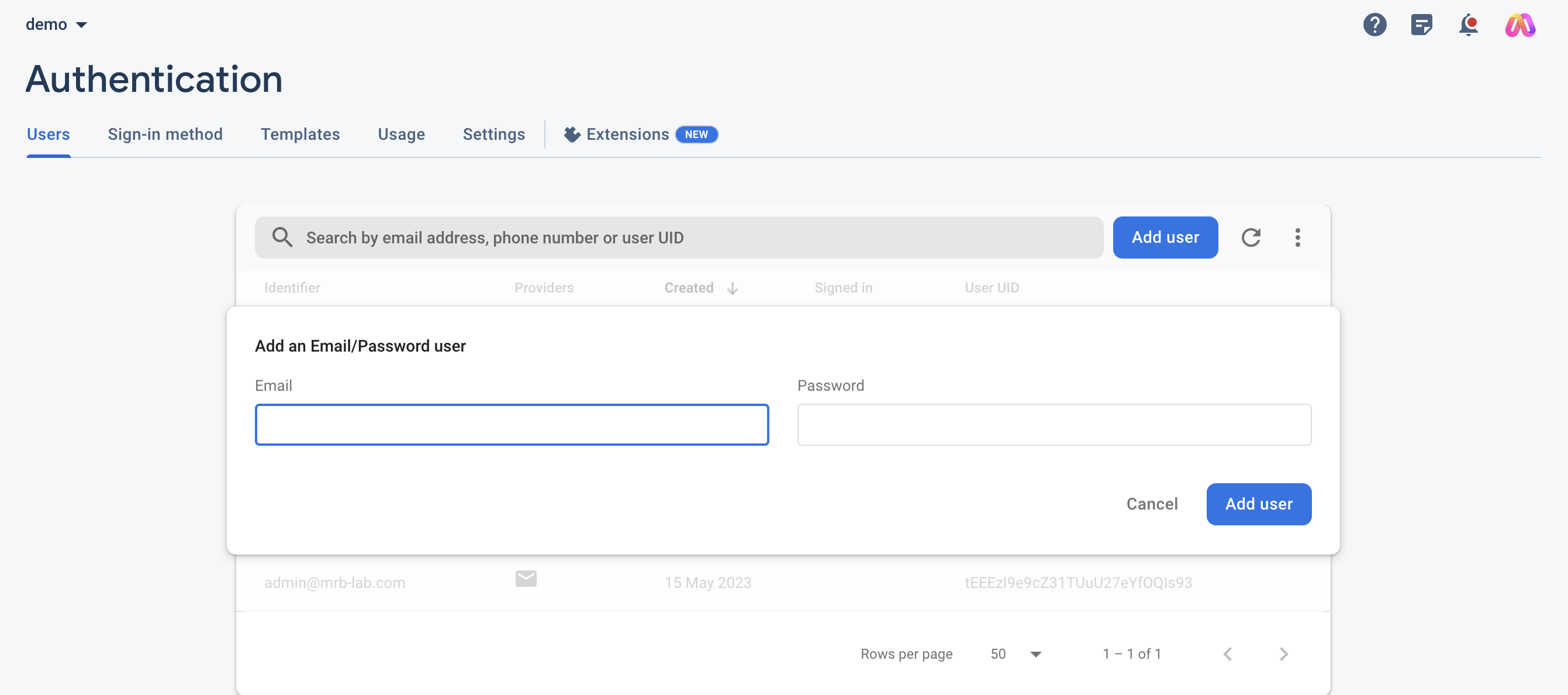
2. Now go to the **Users** tab and click on the **Add User** button and create a new account by providing your email and password.
{% hint style="info" %}
The username and password will be the admin email and password.
{% endhint %}
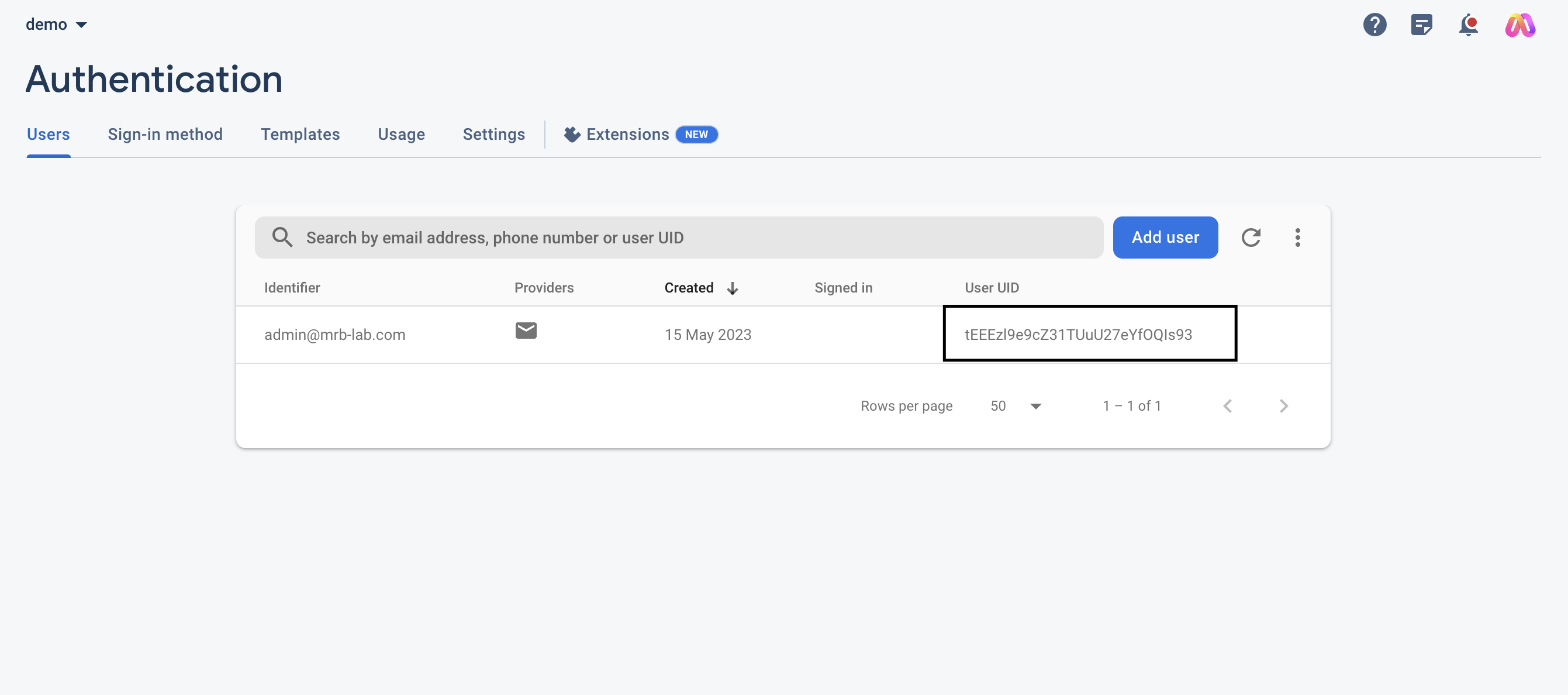
3. Copy The **User UID** which is required for the next step. Now you have to create a record of the account you have created in the database.
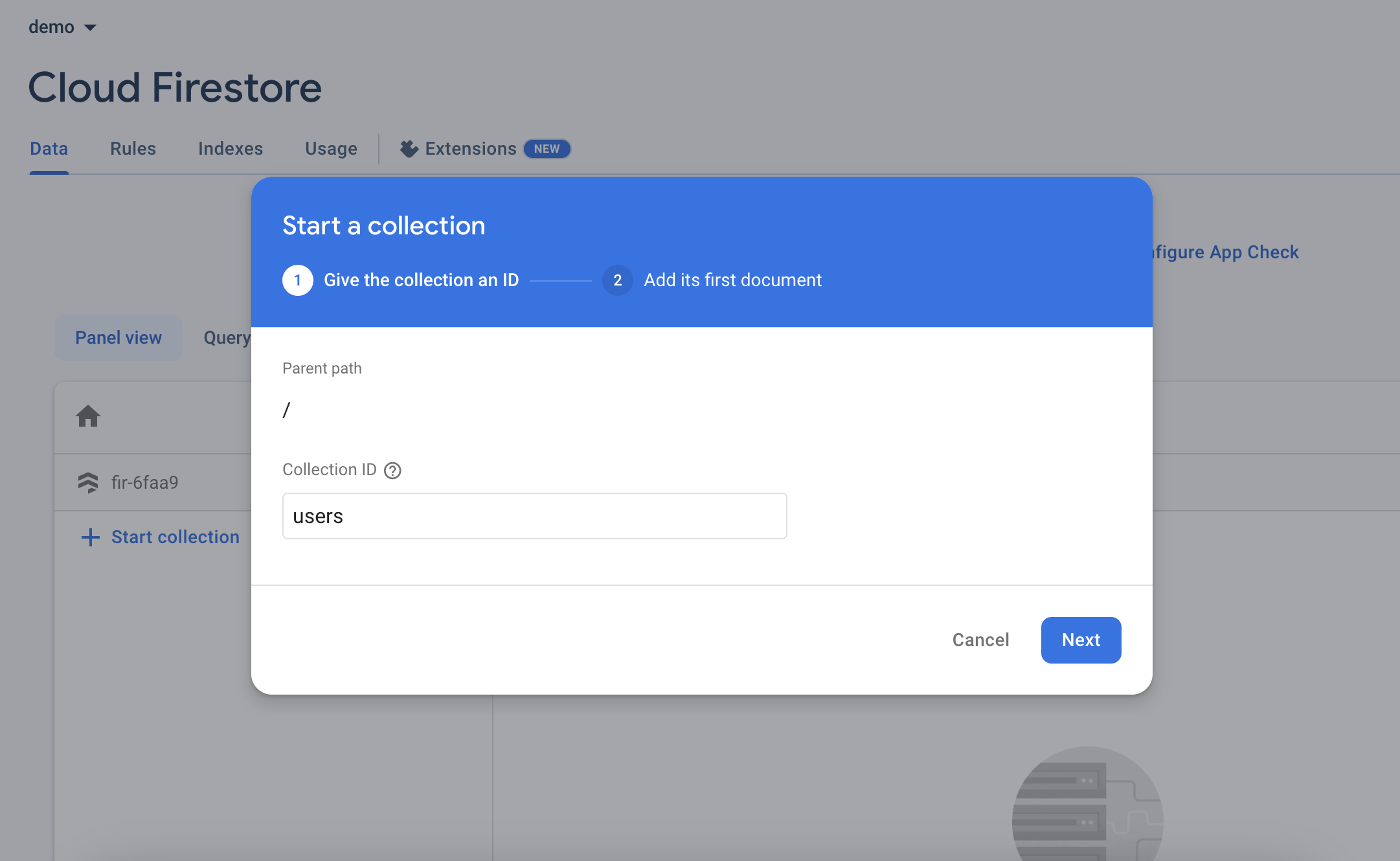
4. Go to the **Build > Firestore Database** and create a collection named **users** by clicking on the **Start Collection** button.
5. After clicking Next, you will get a new document form.
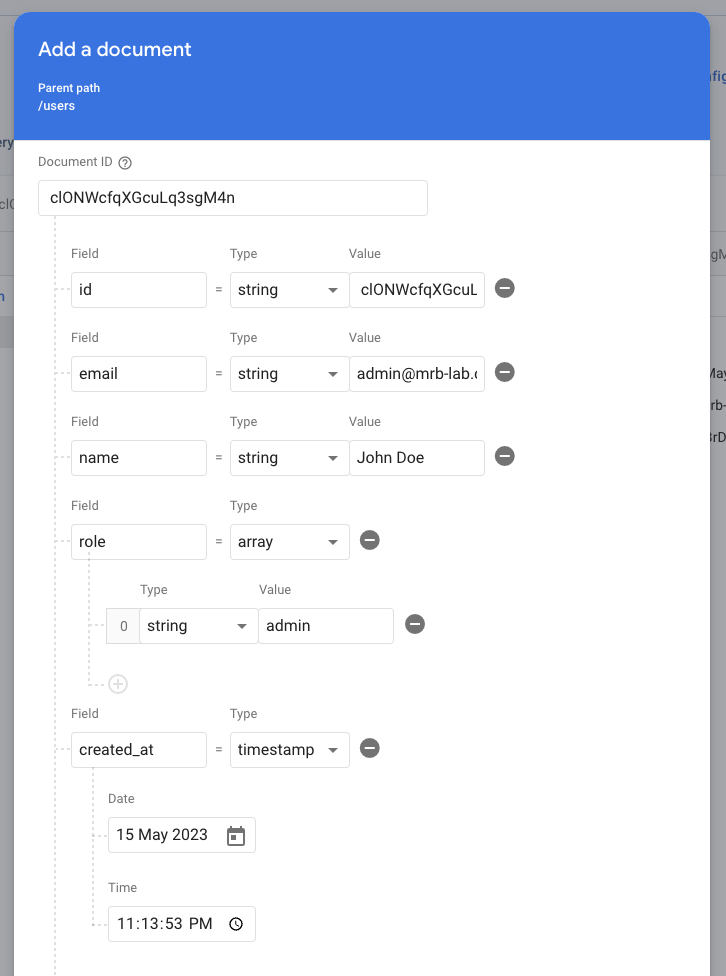
6. Use the **user Id** that you have copied as **Document ID**. Create a field named **id** and use the **user id** as value (same as Document ID). Create another field named **email** and use your admin **email** as value. Create another field named **name** and enter **your name** as value. Create another field named **created\_at** and the type must be **timestamp** and select **a date and time** as value. Create another filed named **role** and the type must be an **array** and write **admin** as the first value of that array.
{% hint style="info" %}
The fields and types should be exactly the same as shown in the picture below.
{% endhint %}
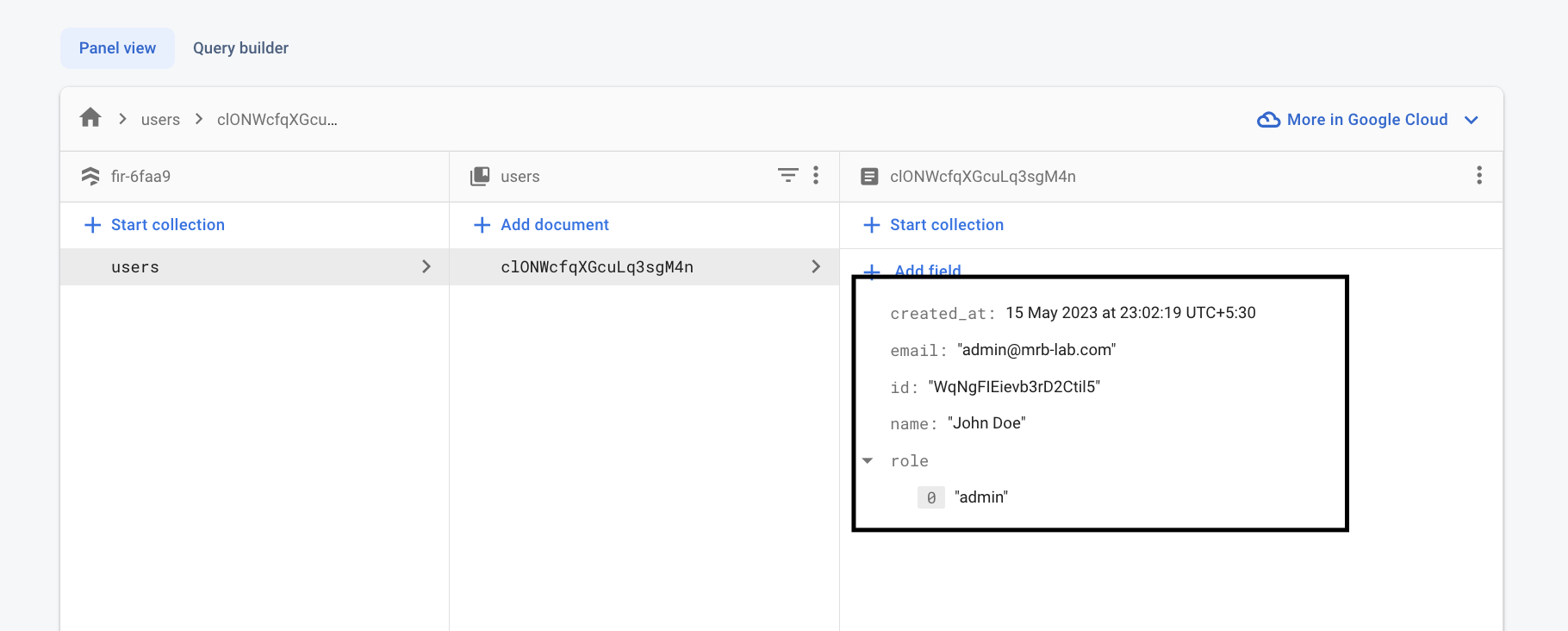
7. Save it and after creating the user collection and document, your document details will look like this:
That's it. Your admin account has been created. You can now login into your admin panel using the email and password you have created now.
{% hint style="info" %}
After, login into your admin account, if you see a validation form, just enter your purchase code and validate your account.
{% endhint %}